
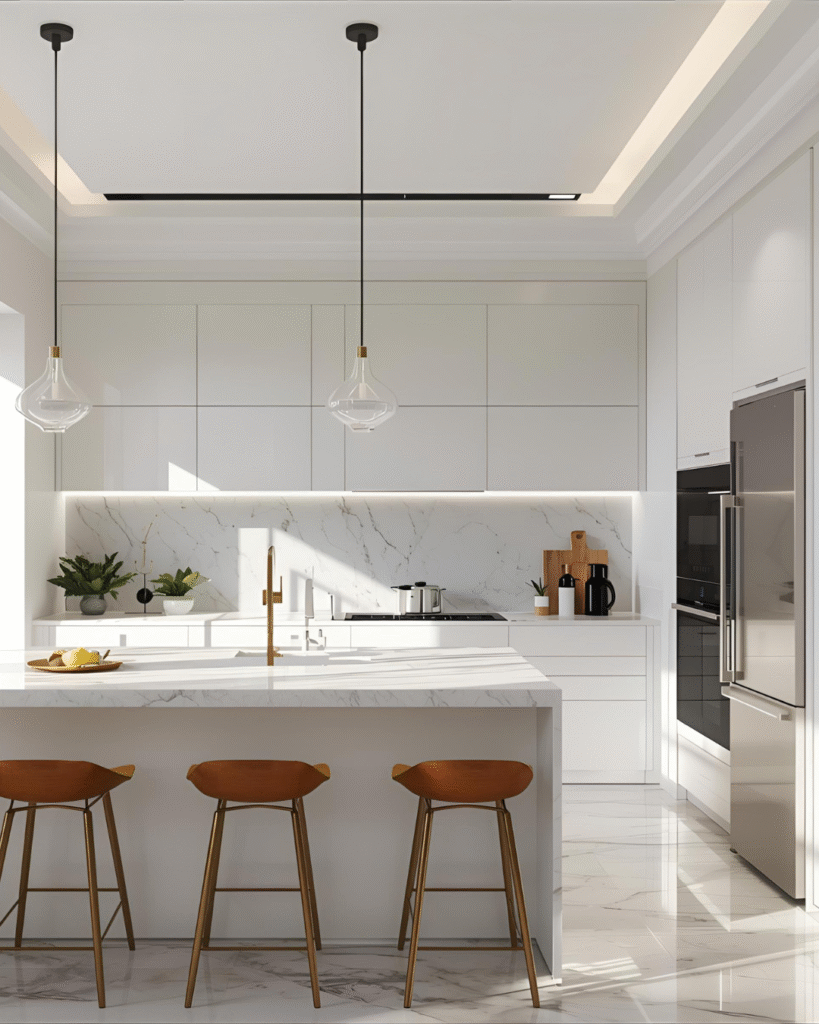
Extension Ideas for Guildford’s Period Properties: Blending Old with New
Guildford’s architectural heritage is one of its greatest assets. From elegant Georgian townhouses along the High Street to charming Victorian terraces in Charlotteville and Edwardian semis throughout Onslow Village, the town’s period properties offer character, craftsmanship, and a connection to history that modern builds simply cannot replicate.
However, living in a period property often means compromising on space. Original layouts were designed for different lifestyles, with small kitchens, separated rooms, and limited living areas. As experienced builders who have worked on dozens of Guildford’s period homes, we understand the challenge: how do you add the space your family needs while respecting the architectural integrity that makes these properties special?
This guide explores practical, sympathetic extension ideas that honor Guildford’s architectural heritage while creating homes fit for modern living.
Understanding Guildford’s Period Architecture
Before exploring extension options, it is essential to understand what makes your property special. Guildford has distinct periods of development, each with characteristic features worth preserving.
Georgian Properties (1714-1830)
Found primarily along the High Street and surrounding historic core, Georgian properties feature symmetrical facades, sash windows, classical proportions, elegant doorways with fanlights, and brick construction with minimal ornamentation. These properties often benefit from generous ceiling heights and well-proportioned rooms, though kitchens and bathrooms are typically inadequate by modern standards.
Victorian Properties (1837-1901)
Widely distributed throughout Guildford, from Charlotteville to Stoke Park, Victorian homes showcase ornate brickwork and decorative features, bay windows and elaborate chimney stacks, original fireplaces and cornicing, tile paths and decorative porches, and stained glass details. Victorian properties vary enormously in quality and size, from substantial villas to modest terraced cottages.
Edwardian Properties (1901-1918)
Prevalent in areas like Onslow Village and parts of Merrow, Edwardian homes typically feature lighter, airier designs compared to Victorian predecessors, larger windows and better natural light, Arts and Crafts influences, original wooden details and features, and generally more generous gardens. These properties often lend themselves particularly well to extensions due to their layout and garden space.
Working Within Planning Constraints
Much of central Guildford sits within conservation areas, and numerous properties hold listed status. Understanding these designations is crucial before planning any extension.
Conservation Areas
Conservation areas in Guildford, including the town center, Charlotteville, and parts of Onslow Village, require that any development preserves or enhances the area’s special character. This typically means extensions must use appropriate materials that match or complement the existing building, respect the scale and proportions of neighboring properties, avoid damaging important views or the streetscape, and use traditional construction techniques where visible.
Listed Buildings
Listed building consent is required for any alterations affecting the character of a listed property, both internal and external. The process is more rigorous, but with proper planning and expert guidance, sympathetic extensions are possible and often enhance these historic homes.
Sympathetic Extension Ideas for Guildford Period Homes
1. Single-Storey Rear Extensions
The most popular choice for period properties, well-designed rear extensions can transform how you live while remaining virtually invisible from the street.
Traditional Orangery Style
An orangery-style extension uses brick or masonry walls with large windows and a glazed roof lantern. This approach is particularly sympathetic to Georgian and Victorian properties. It uses traditional materials matching the existing house, allows abundant natural light, respects classical proportions, and works beautifully for kitchen and dining extensions. In Guildford’s conservation areas, this style often receives planning approval because it references historical architectural forms.
Contemporary Contrast
For less sensitive locations, a deliberately modern extension can work exceptionally well. The key is quality design that complements rather than competes. Consider frameless glass sections creating a seamless indoor-outdoor connection, modern materials like zinc or weathered steel used thoughtfully, clean lines that respect the proportions of the period building, and recessed design sitting behind the original building line. This approach acknowledges that new work is exactly that, new, rather than attempting pastiche. When executed well, it can enhance a period property by providing clear visual contrast.
2. Side Return Extensions
Many Victorian terraces and semi-detached properties in areas like Charlotteville and Stoke have narrow side passages that serve little practical purpose. Infilling this space can add surprising amounts of room.
A side return extension typically expands kitchens or dining rooms, adds 1.5 to 2.5 meters in width, and integrates seamlessly with rear extensions. The key to success is matching brickwork and roof tiles precisely, ensuring proper drainage solutions, and respecting the neighbor’s light and amenity. In terraced properties, coordinating with neighbors for matching extensions can create better results and easier planning approval.
3. Loft Conversions
Period properties often feature generous roof spaces perfect for loft conversion. This approach adds space without increasing the building footprint, which is particularly valuable in conservation areas.
Hip-to-Gable Conversions
Semi-detached and detached properties with hipped roofs can often extend the roof slope to the gable end, creating significantly more headroom. This works particularly well for Edwardian properties in areas like Onslow Village.
Dormer Extensions
Carefully designed dormers can add substantial space. In conservation areas, rear dormers are generally more acceptable than front-facing ones. Traditional dormer designs with pitched roofs suit Victorian properties, while flat roof dormers finished in lead or zinc can work well on rear elevations where they are not publicly visible.
Velux and Rooflight Solutions
Where planning restrictions prevent dormers, conservation rooflights maintain the roofline while bringing in light. These are particularly appropriate for listed buildings where external alterations must be minimal.
4. Basement Extensions
Some Guildford properties, particularly larger Victorian and Georgian houses, have existing cellars that can be enhanced or extended. Basement projects are complex and expensive but offer unique advantages.
They add space without altering the external appearance, which is ideal for conservation areas and listed buildings. They work well for utilities, gyms, cinema rooms, or wine cellars. They can be combined with lightwells for natural light. However, they require specialist expertise in waterproofing and underpinning, and demand careful consideration of party wall agreements in terraced properties.
5. Two-Storey Extensions
When more space is essential, two-storey rear extensions can work, though they require particularly careful design in period properties.
Success depends on matching materials precisely with existing brickwork and roof tiles, respecting the proportions and symmetry of the original building, setting the extension back from the original building line where possible, and using design features that echo the period, such as matching window styles. In Guildford’s conservation areas, two-storey extensions face greater scrutiny. However, with thoughtful design and proper consultation with planning officers, they can be approved, especially when set to the rear where they have minimal impact on the streetscape.
Material Selection: Getting the Details Right
Materials make or break a period property extension. In our experience working throughout Guildford, attention to detail in material selection transforms a project from acceptable to exceptional.
Brickwork
Matching existing brickwork is essential. Guildford’s period properties use various brick types, from red-orange Victorian stocks to lighter Georgian bricks. We recommend having existing bricks analyzed to identify the closest modern equivalent, considering reclaimed bricks for the best match, using lime mortar rather than cement for period properties, and matching the bonding pattern exactly.
Windows and Doors
Windows are character-defining features. For Georgian properties, use slim sightline sash windows with appropriate glazing bars. For Victorian properties, maintain sash window proportions and decorative details. For Edwardian properties, consider casement windows where they were original. Modern high-performance windows can replicate period styles while meeting building regulations. In conservation areas, this often means wooden frames rather than uPVC for visible elevations.
Roofing
Roof materials should match existing. Most Guildford period properties feature clay tiles, slate, or occasionally stone tiles in older buildings. Hand-made clay tiles provide the best match for Victorian and Edwardian properties, while reclaimed or new slate works for earlier periods.
Internal Design: Making Extensions Feel Authentic
The interior treatment of extensions is equally important. The goal is creating spaces that feel like natural evolutions of the original house.
Floor Levels and Ceiling Heights
Match floor levels precisely with existing rooms to avoid awkward steps. Consider ceiling heights carefully. Period rooms often feature generous heights (2.7-3 meters or more), and new extensions should respect these proportions. Dropping to standard modern ceiling heights (2.4 meters) creates jarring transitions.
Architectural Details
Thoughtful internal details integrate extensions with the original house. Consider matching or complementing existing cornicing, using traditional skirting and architrave profiles, selecting appropriate door styles and ironmongery, and retaining or replicating ceiling roses and other decorative features where they meet new work.
The Transition Zone
The junction between old and new requires particular attention. We often use deliberate thresholds, a change in flooring material or a beam detail that acknowledges the transition while maintaining flow. This approach is honest about the building’s evolution while creating harmony between periods.
Case Study Approach: Learning from Guildford Projects
Throughout Guildford, successful period property extensions share common characteristics. They respect the original building’s proportions and style. They use quality materials that match or complement authentically. They consider the building’s context within the streetscape. They balance heritage conservation with modern functionality. They work with, not against, the property’s architectural DNA.
We have seen Victorian terraces in Charlotteville transformed by thoughtful side-return and rear extensions that double the kitchen and dining space while maintaining street character. Georgian properties near the High Street enhanced with orangery-style extensions that provide contemporary living spaces while respecting classical proportions. Edwardian semis in Onslow Village gain additional bedrooms through carefully designed loft conversions that sit invisibly below the existing roofline.
The Planning Process: What to Expect
Extending period properties in Guildford requires patience and proper planning. The process typically involves pre-application consultation with Guildford Borough Council planning officers, which is invaluable for understanding what will be acceptable. You should commission detailed architectural drawings that demonstrate respect for the period building. For conservation areas, prepare a heritage statement explaining how the proposal preserves or enhances character. For complex projects, consider hiring a planning consultant familiar with Guildford’s requirements.
Early engagement with planning officers can save time and money. They can provide guidance on what will be acceptable before you invest heavily in detailed designs.
Working with the Right Builder
Period property extensions demand specialist skills. Not all local builders have experience with heritage buildings or conservation area requirements. Look for builders with a proven track record on period properties, understanding of traditional building techniques, established relationships with local planning authorities, ability to source appropriate materials, and craftspeople skilled in period details like lime mortaring and traditional joinery.
Ask to see previous projects, ideally in similar Guildford properties. Speak to previous clients about their experience. Check the builder’s approach to unexpected issues, which are common in older buildings.
Investment and Value
Period property extensions typically cost more than equivalent work on modern buildings. Traditional materials, skilled craftsmanship, and planning requirements all add expense. However, well-executed extensions can add substantial value.
In Guildford’s competitive property market, period homes with sympathetic, well-designed extensions command premium prices. Buyers appreciate properties where someone has already navigated the planning process and created additional space while maintaining character. A quality extension can easily add more value than its cost, particularly in sought-after areas like the town center, Charlotteville, or Onslow Village.
Looking Forward
Guildford’s period properties represent the town’s architectural heritage. They deserve careful, respectful treatment when we adapt them for modern living. The best extensions honor the past while embracing the present, creating homes that work for contemporary families without compromising the character that makes these buildings special.
Whether you are planning a modest kitchen extension or a comprehensive renovation, the principles remain the same. Understand your property’s character, respect its architectural language, use appropriate materials, and work with professionals who share your commitment to quality.
Done right, a period property extension is not just about adding space. It is about enhancing a piece of Guildford’s history, creating a better home for your family, and passing something special on to future generations.
Ready to Start Your Project?
If you are considering extending your Guildford period property, we would welcome the opportunity to discuss your plans. Our team has extensive experience working with Victorian, Georgian, and Edwardian homes throughout Guildford and the surrounding area. We understand the planning process, conservation area requirements, and the craftsmanship needed to create extensions that truly enhance period properties.
Contact us today for an initial consultation. We can visit your property, discuss your requirements, and provide honest advice on what is achievable while respecting your home’s character.